Tea cuts absorption of non-heme iron (the iron in plants and fortified foods) when you drink it with a meal. In single-meal isotope studies, black tea reduced iron absorption from a bread meal by 79–94%, and 1 or 2 cups with a rice meal cut it by 49% or 66% in iron-replete women. Waiting 1 hour after a porridge meal halved tea's inhibitory effect. Studies of iron stores in healthy Western adults found no link with tea drinking.
This page reports what the iron-absorption studies measured: who was tested, how many people, what they ate, and what changed. It is not medical advice. People with diagnosed iron deficiency or anemia should follow their clinician's guidance, not a summary of single-meal trials.
Heme vs Non-Heme Iron: Where Tea Acts
Dietary iron comes in two forms. Heme iron is in meat, fish and poultry. Non-heme iron is in plants, grains, legumes and fortified foods. A vegetarian diet's iron is all non-heme.
Tea acts mainly on non-heme iron. In Disler et al. (1975), tea inhibited absorption from iron salt solutions, bread, a rice meal and uncooked hemoglobin, but "no inhibition was noted if the haemoglobin was cooked." The authors attributed the effect to insoluble iron-tannate complexes. A later review noted that heme iron is "hardly influenced by other dietary factors".
How much iron a diet delivers depends on the mix. Hurrell and Egli (2010) put iron bioavailability at 14–18% for mixed diets and 5–12% for vegetarian diets, in people with no iron stores. Those figures underlie dietary reference values. A diet that leans on non-heme iron is the one where tea's effect matters most.
Get tasting and processing notes
Oxidation, rolling, roasting oolong, aging pu-erh, and how to taste tea side by side at home. Free, no spam.
No fixed schedule. Unsubscribe anytime.
What the Absorption Studies Measured
Most of the evidence comes from isotope studies. Volunteers eat a test meal labeled with a traceable iron isotope, and researchers measure how much shows up in red blood cells about two weeks later.
| Study | Subjects | Design | Finding |
|---|---|---|---|
| Disler et al. 1975 | Human volunteers | Iron solutions, bread, rice meal, hemoglobin, with and without tea | Tea inhibited non-heme absorption with or without ascorbic acid; no inhibition of cooked hemoglobin |
| Hurrell, Reddy & Cook 1999 | Adults (n not given in abstract) | Bread meal with water vs polyphenol-containing drinks, radio-iron | Black tea cut absorption 79–94% vs water; milk had little or no influence |
| Samman et al. 2001 | 10 women aged 19–39 (green tea study) | Same meal with or without 0.1 mmol green tea extract | Absorption fell from 12.1% to 8.9% |
| Thankachan et al. 2008 | 10 women with iron deficiency anemia, 10 iron-replete, India | Rice meal alone or with 1 or 2 cups black tea | Iron-replete: down 49% (1 cup), 66% (2 cups); anemic: down 59%, 67% |
| Ahmad Fuzi et al. 2017 | 12 iron-replete UK women, mean age 24.8 | Porridge with 4 mg labeled iron; water, tea with meal, tea 1 h after | Absorption 5.7%, 3.6%, 5.7% |
Two things stand out. Every single-meal study found tea lowered non-heme absorption. And the effect held in women with iron deficiency anemia: in the Thankachan study the percentage drop was similar in both groups, though anemic women absorbed about 2.5 times as much iron overall.
Black Tea, Green Tea and Herbal Infusions
The inhibitor is polyphenols, not caffeine, so herbal infusions are not exempt.
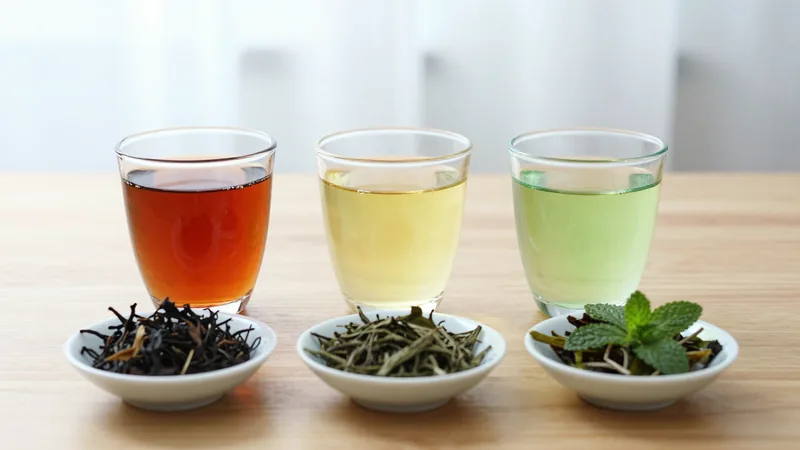
Hurrell et al. (1999) tested several drinks against water with the same bread meal. Drinks with 20–50 mg total polyphenols per serving cut iron absorption by 50–70%. Drinks with 100–400 mg cut it by 60–90%.
| Drink (Hurrell et al. 1999) | Reduction in non-heme iron absorption vs water |
|---|---|
| Black tea | 79–94% |
| Peppermint infusion | 84% |
| Pennyroyal infusion | 73% |
| Cocoa | 71% |
| Vervain infusion | 59% |
| Lime flower infusion | 52% |
| Chamomile infusion | 47% |
Source: Hurrell, Reddy & Cook, Br J Nutr 1999.
At the same polyphenol concentration, black tea was more inhibitory than cocoa, chamomile, vervain, lime flower and pennyroyal, and equal to peppermint.
Green tea has less direct data. Samman et al. (2001) added a green tea extract to a meal and saw absorption fall from 12.1% to 8.9%, a relative drop of about 26%. That was an extract added to food, not a brewed cup, so the number does not transfer directly to drinking green tea.
Every herbal infusion in the 1999 study inhibited iron absorption. Rooibos was not tested. If you switch to herbal tea for caffeine reasons (see our decaf tea guide), the study gives no reason to assume an herbal cup is neutral for iron.
Timing: What the One-Hour Study Found
Ahmad Fuzi et al. (2017) is the trial most often cited for timing. Twelve healthy, iron-replete women each ate the same porridge meal three times, 14 days apart, labeled with 4 mg of the stable isotope iron-57.
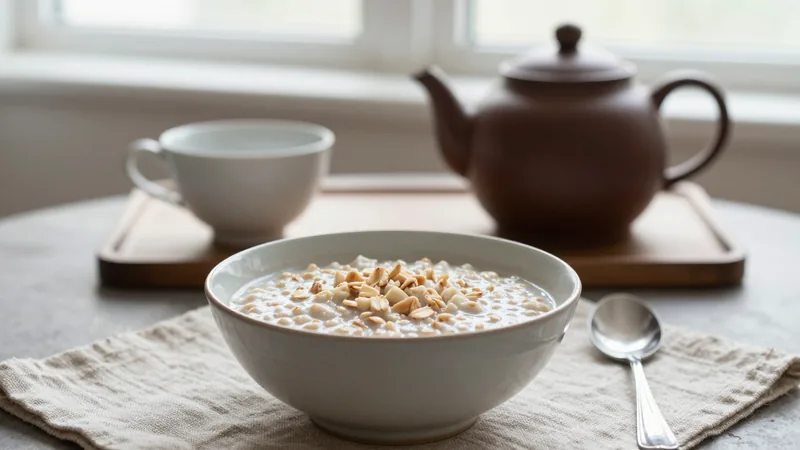
| Condition | Fractional iron absorption | Labeled iron absorbed (of 4 mg) |
|---|---|---|
| Porridge with water | 5.7% | 0.23 mg |
| Porridge with tea at the same time | 3.6% | 0.14 mg |
| Porridge, tea 1 hour later | 5.7% | 0.23 mg |
The milligram column is our arithmetic: 4 mg × the absorption percentage.
The authors reported that the 1-hour gap cut tea's inhibitory effect by about half, from 37.2% to 18.1% relative to water. The standard deviations were large (5.7% ± 8.5% for the water meal), which is typical for iron isotope work with 12 people.
What the study did not test: waiting longer than 1 hour, tea before a meal, men, or people with iron deficiency. A 2000 review proposed the same practice for people at risk, "consume tea between meals instead of during the meal", based on modeling rather than a timing trial.
Milk and Vitamin C
Milk. Adding milk does not cancel the effect. Hurrell et al. (1999) reported that "adding milk to coffee and tea had little or no influence on their inhibitory nature." That covers masala chai and British-style milk tea.
Vitamin C (ascorbic acid). Ascorbic acid raises non-heme absorption on its own. In Thankachan et al. (2008), ascorbic acid at a 2:1 molar ratio to iron raised absorption by 270% in iron-replete women and 291% in anemic women. At 4:1 the increases were 343% and 350%.
That study tested tea and ascorbic acid in separate meals, not together. The older Disler study found tea still inhibited absorption when ascorbic acid was present. The 2000 review's model concluded that enough enhancers in a meal (ascorbic acid, meat, fish, poultry) "overcomes inhibition of iron absorption from even large amounts of tea". That is a modeling result, not a measured one.
Does Tea Lower Iron Stores?
Single-meal studies show the largest effects. Long-term iron stores, measured as serum ferritin or hemoglobin, show much less.
- Review of 16 studies. Temme and Van Hoydonck (2002) found no inverse association between tea and ferritin or hemoglobin in groups with low prevalence of iron deficiency. In high-risk groups, the association disappeared after adjusting for diet, except in one study of women of whom 40% were iron deficient.
- French cohort. Mennen et al. (2007) measured ferritin in 954 men and 1,639 women (2,593 total). Ferritin was not related to black, green or herbal tea intake, tea strength, infusion time or the time of day tea was drunk.
- Why the gap. Hurrell and Egli (2010) note that single-meal studies repeatedly show strong effects of polyphenols and other factors, while multi-meal studies with a varied diet show "more modest" effects. They also found iron status generally has a greater effect on absorption than diet composition.
The pattern across these papers: tea measurably lowers iron absorption from a given meal, but in populations with adequate iron stores and mixed diets, tea drinkers do not have lower stores. The groups the reviews flag are those with marginal iron status, low heme iron intake, or diets high in other inhibitors. For how much caffeine is in the same cups, see caffeine in tea vs coffee.
Frequently Asked Questions
How much does tea reduce iron absorption?
In single-meal isotope studies, black tea cut non-heme iron absorption from a bread meal by 79–94% (Hurrell 1999). One cup with a rice meal cut it by 49% and two cups by 66% in iron-replete Indian women (Thankachan 2008). Heme iron from cooked meat was not inhibited in the 1975 Disler study.
Does waiting an hour after a meal help?
In one trial of 12 iron-replete UK women, absorption was 3.6% with tea at the meal and 5.7% with tea 1 hour later, the same as with water. The authors reported the inhibitory effect fell by about half. Longer gaps, men and iron-deficient subjects were not tested.
Does adding milk or lemon to tea change the effect?
Milk had little or no influence on tea's inhibition in Hurrell et al. (1999). Ascorbic acid raised non-heme absorption by 270–350% in separate rice meals (Thankachan 2008), but the 1975 Disler study found tea still inhibited absorption with ascorbic acid present. No study here measured lemon juice in tea.
Do herbal teas affect iron absorption?
Yes. Peppermint infusion cut absorption by 84% and chamomile by 47% in the 1999 bread-meal study. The effect tracks total polyphenols, not caffeine.
Does drinking tea cause low iron?
Reviews and cohort data say not in healthy adults with adequate stores. A review of 16 studies (2002) and a French cohort of 2,593 adults (2007) found no link between tea and ferritin in those groups. A negative association showed up only in groups with marginal iron status.