For a manageable afternoon tea at home, serve two teas, two sandwich fillings, warm scones and one small sweet. For four guests, start with 16 sandwich fingers, six to eight small scones and four to eight bite-size sweets. These are planning suggestions; adjust for appetite, occasion and whether tea replaces lunch.
Afternoon tea works best when the host can sit down. A handsome table helps, but a refill that arrives while the tea still tastes good matters more than matching cups. Plan the food around what you can prepare comfortably, then choose a brewing routine you can repeat without disappearing into the kitchen.
This guide offers a practical four-person plan. The portions, schedule and menu combinations below are our editorial suggestions. They are not a hotel service standard or a claim that there is one correct British menu.
Give the occasion a clear shape
Tell guests when you plan to start, what you are serving and whether it is a snack or a substantial meal. Ask about ingredient restrictions before shopping; leave ingredient packaging available rather than making assumptions about a purchased cake or blend. A short invitation prevents the guest who skipped lunch from meeting a table intended only for a light afternoon pause.
Afternoon tea developed gradually. The V&A's account of teapot design places a light meal between lunch and dinner in the mid-19th-century social setting. That is enough history to frame an invitation. You do not need a sweeping invention story or elaborate etiquette performance to host one.
Fortnum & Mason's home hosting guide describes sandwiches, scones and cakes as the familiar service. Borrow that progression and simplify the execution: savory food first, scones next, sweets last. Put everything out together if that lets you spend more time with guests.
Get the tea newsletter
New tea rooms, brewing notes, and tea worth trying. Free, no spam.
No fixed schedule. Unsubscribe anytime.
Pick two teas that do different jobs
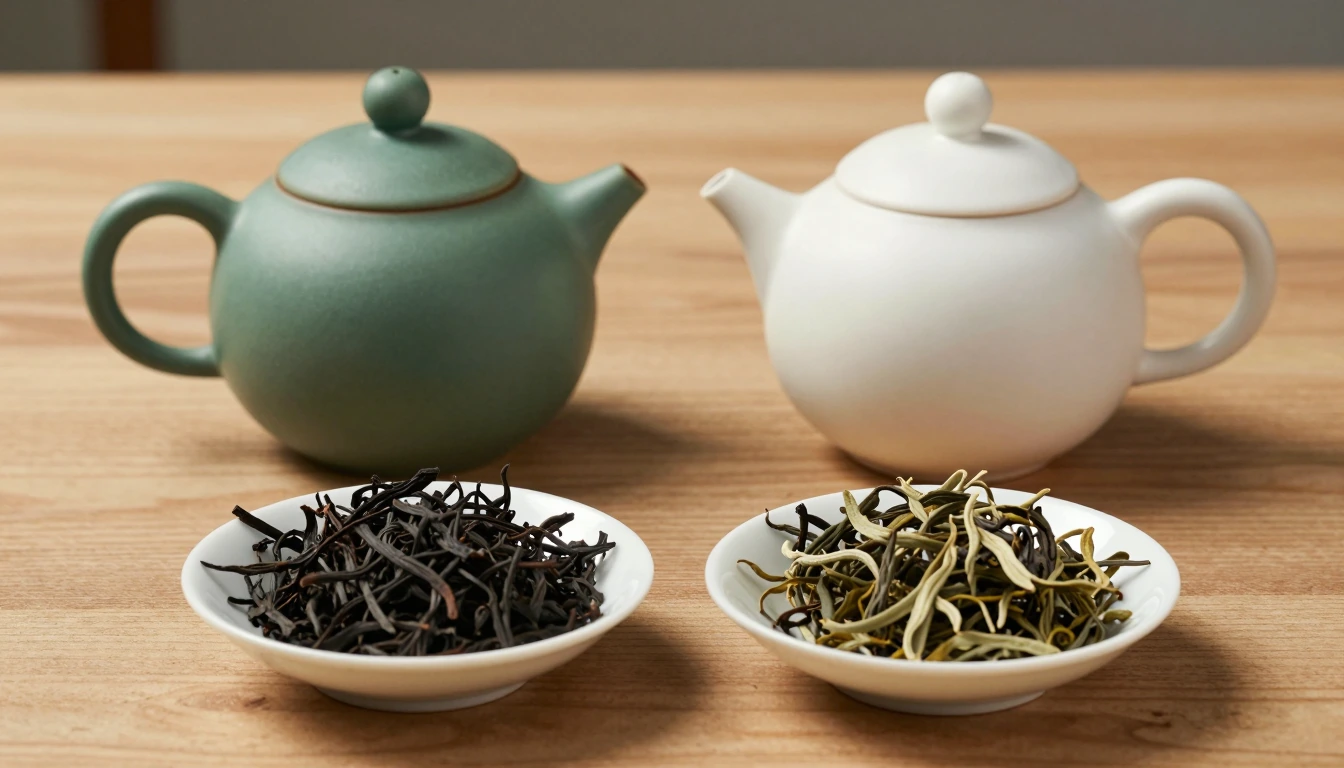
Choose one familiar black tea and one contrasting option. A breakfast blend can accompany sandwiches and take milk for guests who want it. An unflavored oolong or a clearly labeled botanical infusion offers a different flavor direction. Ask guests what they enjoy; two teas people want to drink beat six unfamiliar choices that require a lecture.
For a floral option, read how Earl Grey gets its bergamot character. For a lighter unflavored choice, compare Japanese green tea styles. Keep a strongly scented blend in its own pot or thoroughly clean the pot before changing teas.
Put the producer's brewing instructions beside your kettle before guests arrive. Twinings recommends prewarming a teapot and adjusting leaf quantity and steeping to taste. The UK Tea & Infusions Association also tells drinkers to follow the pack's instructions, with different temperatures for black and green tea. A green tea does not need the same water treatment as the breakfast pot simply because both are on the table.
As a planning allowance, prepare for two 200 ml servings per person: 1.6 liters of finished tea for four guests. That is arithmetic, not a fixed consumption rule. Check how much your teapot actually holds and divide the service into batches. Leave pouring room below the rim; a nominal one-liter pot is awkward when filled to its absolute edge.
Build a small menu you can finish
| For four guests | Suggested starting amount | Make the job easier |
|---|---|---|
| Finger sandwiches | 16 small fingers, two fillings | Use one bread style and cut to similar size |
| Small scones | 6–8 | Bake one type, with jam and cream separately |
| Bite-size sweets | 4–8 | Buy one good cake and portion it neatly |
| Finished tea | About 1.6 liters across refills | Brew in batches rather than letting leaves sit |
These quantities suit a light gathering. Add savory food if guests arrive hungry, and reduce sweets if you prefer a shorter tea. Keep one extra portion of each item in the kitchen so you can replenish a plate without crowding the table at the beginning.
Make sandwiches that hold their shape
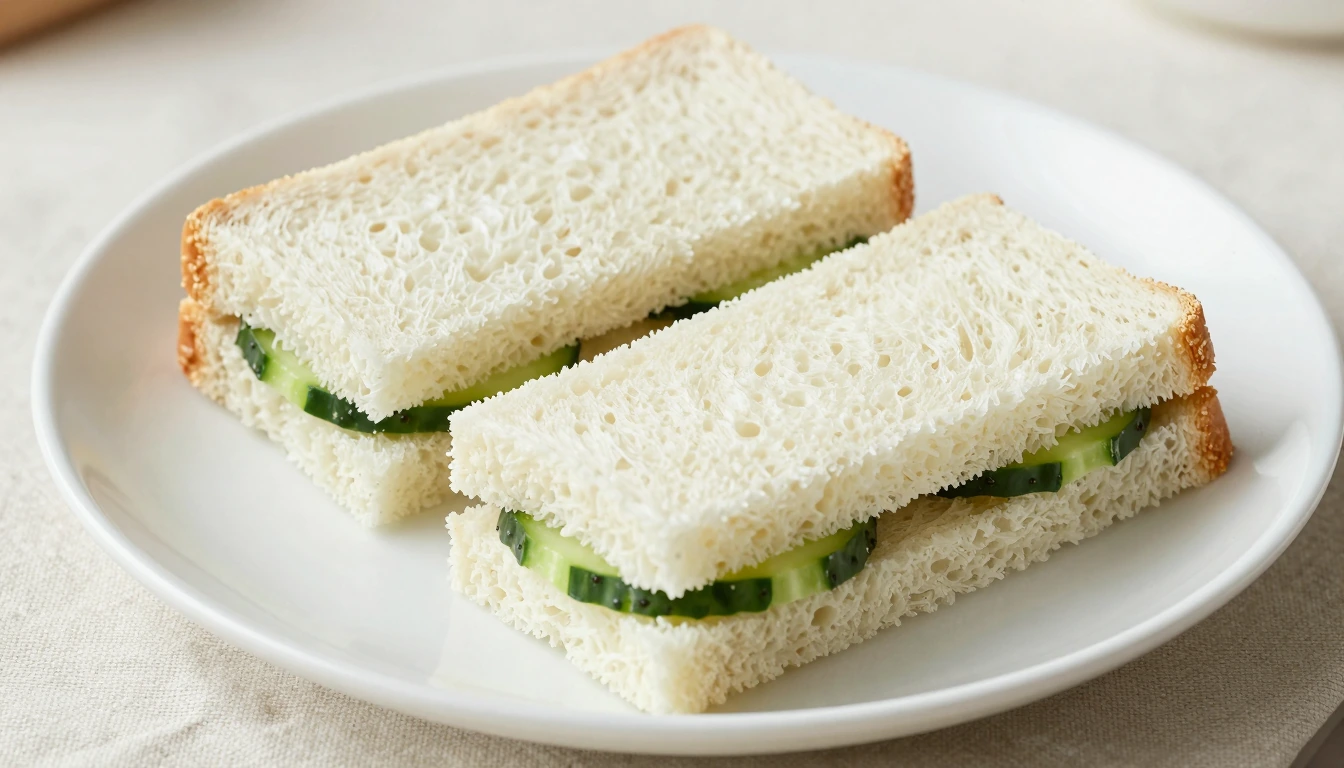
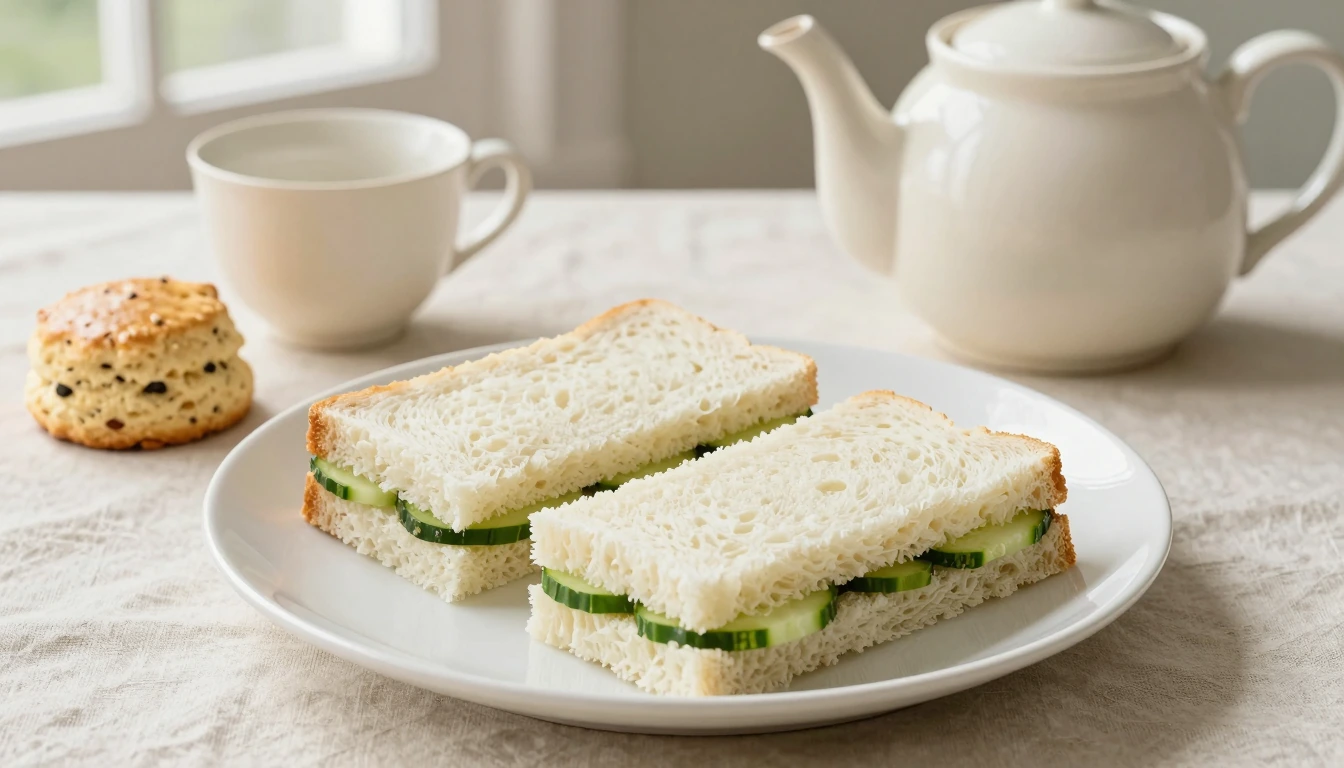
Cucumber with a thin butter or cream-cheese layer and egg with a modest amount of mayonnaise make a straightforward pair. Treat them as menu ideas, not prescribed recipes. Use fillings you already prepare reliably and tell guests what each contains.
Dry cucumber slices before assembling. Spread filling thinly enough that it stays inside when someone lifts a sandwich. Cut a test sandwich before assembling the whole batch: if it slides apart, reduce the filling or choose a sturdier bread. Crusts can stay on if that suits the bread and your table. Uniform portions matter more than an argument about shapes.
Keep different fillings on separate plates if guests need to distinguish ingredients. Prepare perishable fillings and sandwiches according to their ingredients' storage directions, and bring out small batches rather than leaving the entire supply on the table throughout a long gathering. A plain covered tray in the kitchen is more useful than an overloaded three-tier stand.
Let scones set the baking schedule
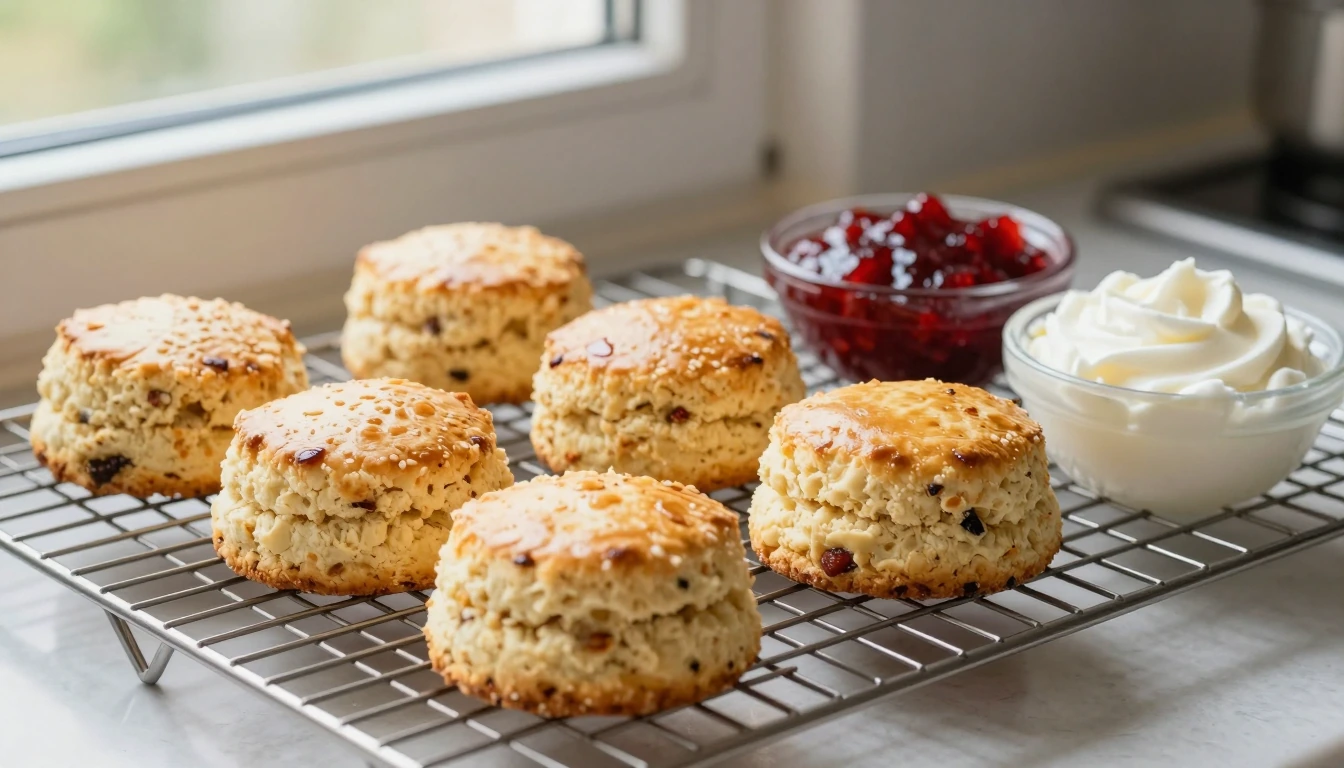
Scones are the item worth timing close to arrival. King Arthur Baking explains that they are best on the day they are baked and offers chilled or frozen dough as a make-ahead option. Follow your chosen recipe's directions when preparing and baking ahead; different shapes and doughs need different baking times.
If you have never baked the recipe, use a trusted bakery for this gathering or make a practice batch first. A party is a poor moment to discover that your cutter makes twice as many tiny scones as the recipe intended. Count the baked yield you expect, rather than assuming every recipe's portion size matches your plan.
Serve jam and cream in separate small dishes with separate spoons. Put butter out too if guests prefer it. You can explain your own favorite order without requiring everyone to copy it. A small scone that can be finished comfortably is easier to pair with tea than a large pastry that becomes the whole meal.
Make the table work before decorating it
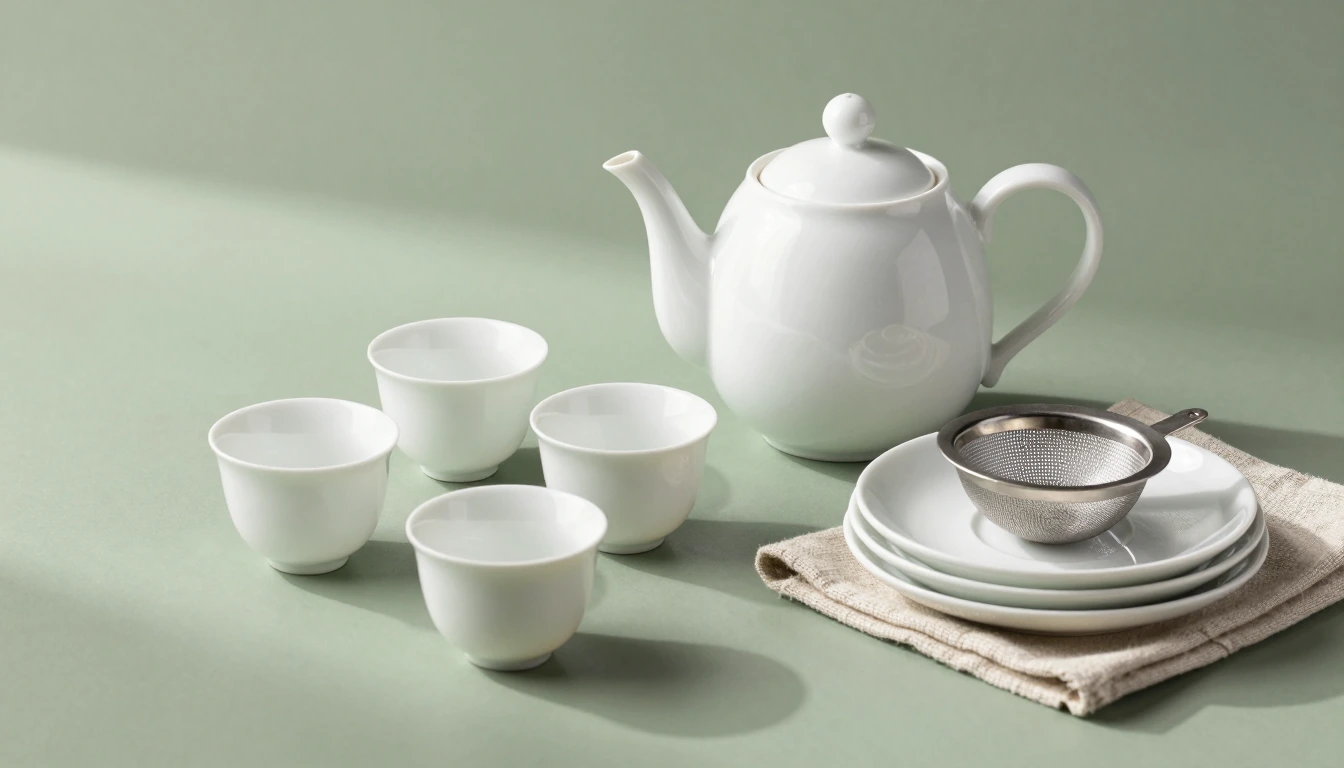
Set out a cup, saucer or coaster, small plate, napkin and suitable cutlery for each person. Add a serving utensil for each shared dish. A strainer needs a rest, a teapot needs a stable place within reach, and milk needs a vessel that pours cleanly. Check these practical details with empty dishes before adding flowers or a tall cake stand.
Mismatched cups are fine; know their capacity so refills do not surprise you. Leave room for someone to set down a cup without moving a plate. If the table is small, keep spare food and the second pot on a nearby surface. A low arrangement of greenery is easier to talk across than a centerpiece that blocks faces.
You can use a basket infuser, a separate strainer or a pot with a built-in filter. What matters is stopping the infusion when it tastes right. Our guide to tea quantities explains why weighing leaf gives more repeatable results than guessing by spoonful. For equipment choices, see gaiwan, teapot and kyusu compared.
A schedule that leaves you at the table
The day before: confirm the guest count and ingredients, choose two teas, check cups and pot capacity, prepare any cake that suits advance baking, and set aside serving dishes. If making scone dough ahead, follow the recipe's storage method.
About an hour before: clear the serving area, prepare sandwich ingredients, portion the sweet, set the table and organize the kettle. Measure tea for the first batch into a dry dish, keeping it separate from damp food preparation.
Near arrival: bake or warm the scones as your recipe directs, assemble sandwiches, fill small dishes of accompaniments and heat the first batch of water. Do not start a delicate tea while you are still juggling trays.
During service: offer the first pot, note when its leaves should come out, and sit down. Refill with a fresh measured batch when needed. If someone prefers a milder cup, offer a shorter steep or a separate tea rather than apologizing for their preference.
Fix the predictable problems
If the tea becomes too strong in the pot, decant the next batch into a serving vessel once it finishes steeping. If pouring is slow or messy, fill less and use a smaller batch. If everyone finishes sandwiches before touching the sweets, replenish savory food instead of insisting on the planned order.
If choosing tea feels overwhelming, start with our beginner tea guide and one reliable blend. For the next gathering, record how much food was left and which tea needed a refill. Those two observations will make your next plan more useful than a longer shopping list.