Moroccan mint tea brings together green tea, fresh mint, sugar and a generous welcome. Start with the method your ingredients and pot suit: a ready-blended green tea needs its maker’s directions; a pot built from separate leaf and fresh mint gives you more control. The recipe below is an adaptable home version, with sugar added to taste.
Begin with the welcome
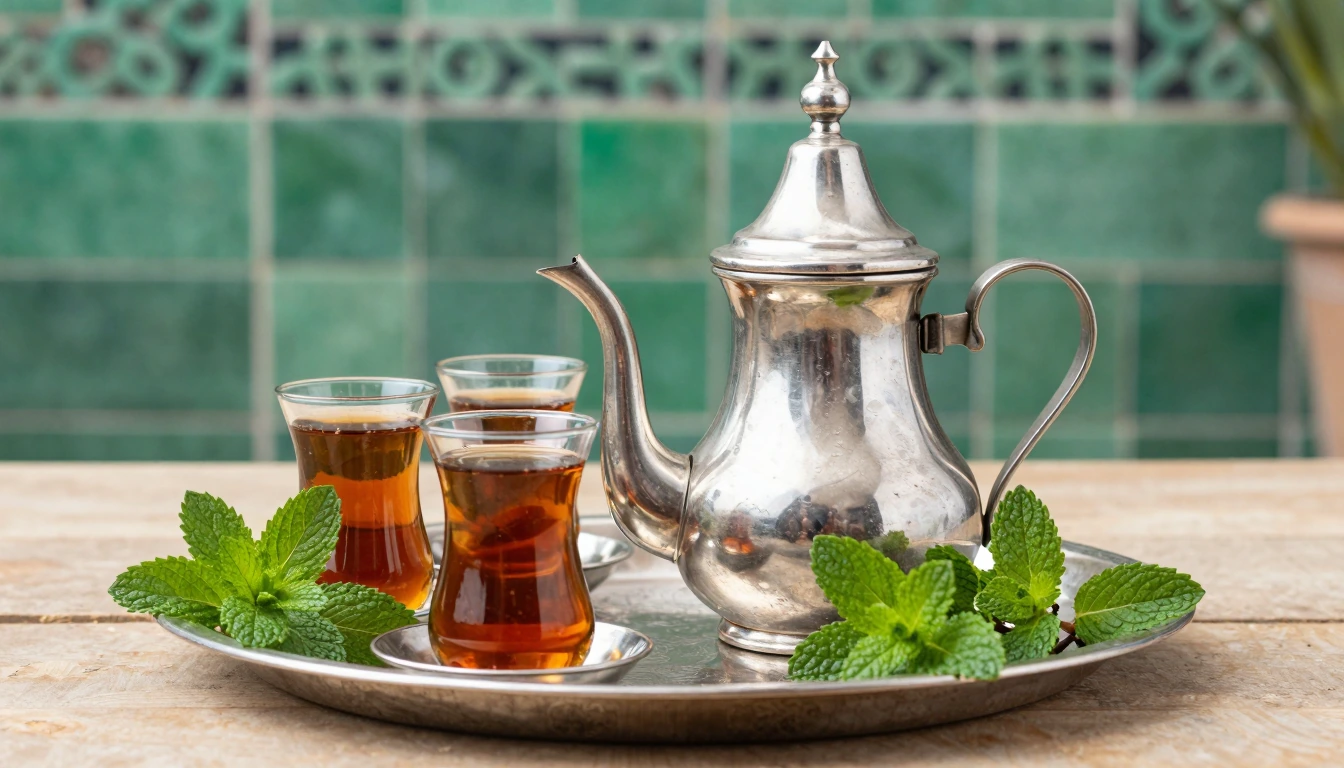
The Moroccan National Tourist Office describes mint tea as a ceremonial drink used to welcome guests, served in small glasses. That is a better starting point than treating an impressive high pour as the entire ritual. Make enough to offer a second glass, clear a comfortable place to sit, and leave time to drink together.
There is no need to turn hospitality into a rigid script. The tourist office’s essay on Moroccan tea identifies Chinese green tea, Moroccan mint and sugar, while acknowledging differences between makers and regions. A café glass, a family pot and a hotel demonstration may all be different. Ask how your host prepares theirs rather than telling them which version you read was authentic.
At home, say what you are serving: a mint tea inspired by Moroccan preparation. Avoid assigning a definitive origin story or repeating a three-glass proverb as a universal requirement. This guide concentrates on ingredients, a workable sequence and the choices that change the cup.
Get the tea newsletter
New tea rooms, brewing notes, and tea worth trying. Free, no spam.
No fixed schedule. Unsubscribe anytime.
Choose three ingredients separately
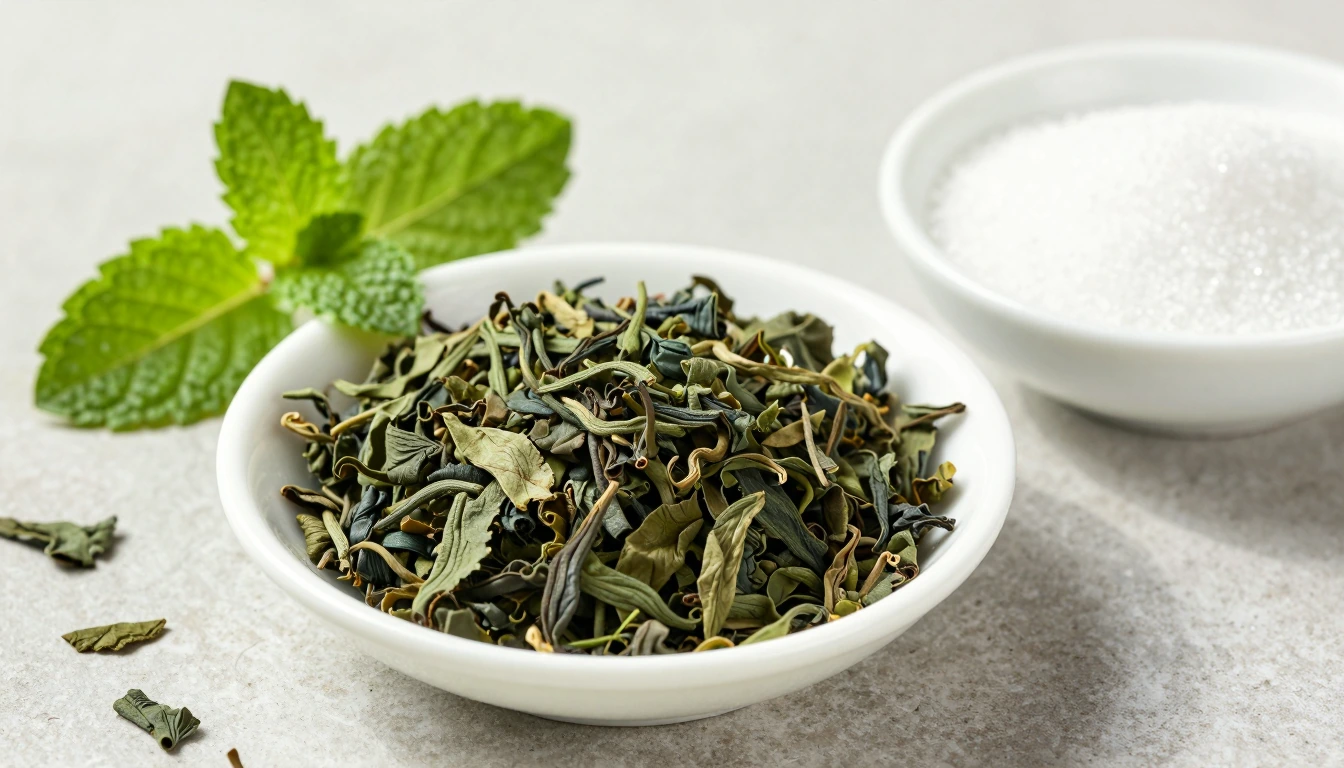
Tea: look for plain rolled Chinese green tea, often sold as gunpowder, if you want to build the drink yourself. Check that the packet contains tea rather than an already sweetened instant mixture. Keep the first attempt uncomplicated: expensive spring green tea is unnecessary for learning how much mint you like. For the wider family, see Japanese green tea types and Chinese greens beyond Longjing.
Mint: buy fresh culinary spearmint when available. Inspect the bunch and discard damaged leaves; rinse it before brewing. Smell it before deciding how much to use. A handful is a practical cooking measure, but bunches vary enough that a written weight or photograph of your own portion makes the next pot easier to repeat. Peppermint gives a different result; use it knowingly rather than expecting an identical cup.
Sugar: put it within reach and choose the amount for this table. Sweetness is part of many Moroccan preparations, but no single cube count defines the drink. Royal Mansour’s chef-barman recipe offers sugar according to preference. Granulated sugar also lets you increase it in small measured steps without guessing how large a particular cube is.
Ready-made blends need a separate approach. Palais des Thés’ Organic Mint Tea combines Chinese green tea and nana mint in equal proportions and gives its own lower-temperature brewing directions. Do not use the same scoop of that mixture as if every gram were plain tea leaf. Start with its label, then add fresh mint and sugar if desired. Harney & Sons’ version uses gunpowder green tea and Oregon peppermint and calls itself a contemporary interpretation. The shared name does not mean two packets have the same mint or the same ratio.
A manageable first pot
This is our editorial starting recipe for two generous mugs or several small glasses. It is not presented as the single traditional formula, nor as a kitchen-tested comparison against other recipes.
| Ingredient | Starting amount | What to adjust next time |
|---|---|---|
| Plain rolled green tea | 5 g | Change by 1 g if the tea overwhelms or disappears |
| Water for the finished pot | 500 ml | Keep this constant while comparing leaf doses |
| Fresh culinary spearmint | A small loose handful | Increase the next pot if the aroma seems faint |
| Granulated sugar | Begin with 10 g, or leave out | Add in small increments after tasting |
| Extra water | Enough for a quick rinse | Keep separate from the measured brewing water |
A kitchen scale helps you repeat the tea and sugar, but you can still cook by taste. Measure the vessel’s usable volume first: a nominally small decorative pot can hold much less than expected. If you change the batch size, scale the tea and water together, then adjust mint and sugar by taste. Our grams-per-cup guide explains that distinction between leaf dose and vessel capacity.
You need a heat-safe brewing vessel, a kettle and a strainer. Only use direct heat if the pot’s maker explicitly permits it. Metal appearance alone does not establish that a decorative teapot belongs on a stovetop. Heat-safe mugs are a fine substitute for elaborate glasses.
The retained infusion and the rinse are different
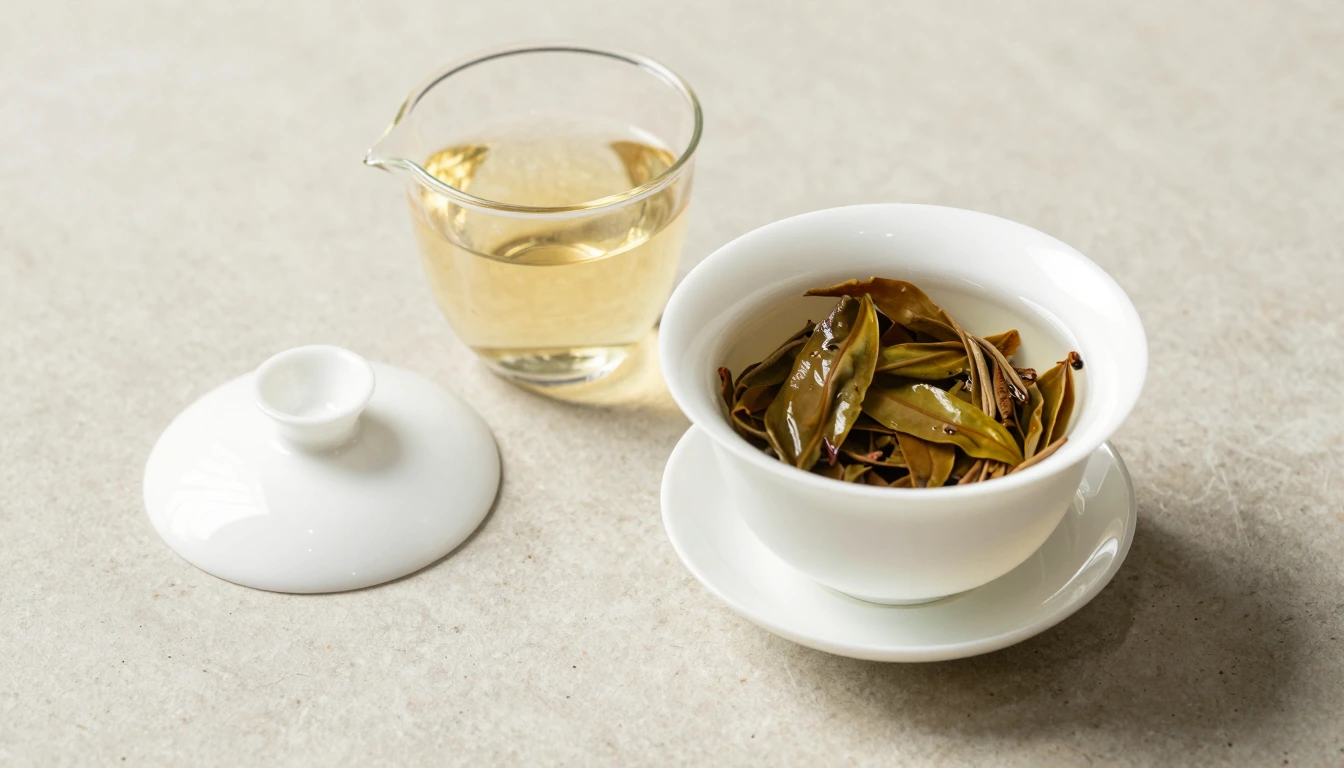
Two published methods help explain a sequence that can otherwise look confusing. Royal Mansour retains an initial infusion, discards a subsequent rinse and returns the first liquid. The Canada Agriculture and Food Museum also separates those steps, then adds mint and sugar, simmers and mixes the pot. Their recipes are useful examples; you do not need to reconcile every detail into one fixed rule.
For our simple home version, use the leaf packet’s recommended temperature and time as the first brewing baseline. If you choose the retained-infusion approach, collect a 50 ml initial infusion in a clean cup after about 30 seconds, briefly swirl another 50 ml of hot water through the leaves and discard that second liquid, then return the retained infusion and add 450 ml of fresh brewing water. These small-volume steps are our editorial adaptation of the published sequence. Count the retained liquid within the 500 ml finished brewing water. Rinsing here describes a preparation step, not a claim that tea requires disinfecting.
Add the washed mint and the starting sugar. Keep the vessel off direct heat for this version; cover and brew according to the tea’s packet. Strain a small sample and decide whether it needs more sugar or mint. Pour the finished tea through a strainer into a second heat-safe pot if you want to stop the leaves steeping while you sit down. That final separation makes timing easier when conversation runs long.
If you prefer following the museum’s simmered recipe, follow its quantities and equipment sequence together, using a pot rated for stovetop heat. It is a different starting method from the packet-led version above. Mixing its boiling step with the dose of a mint-heavy commercial blend will make the result harder to interpret.
Pour close first, then learn the flourish
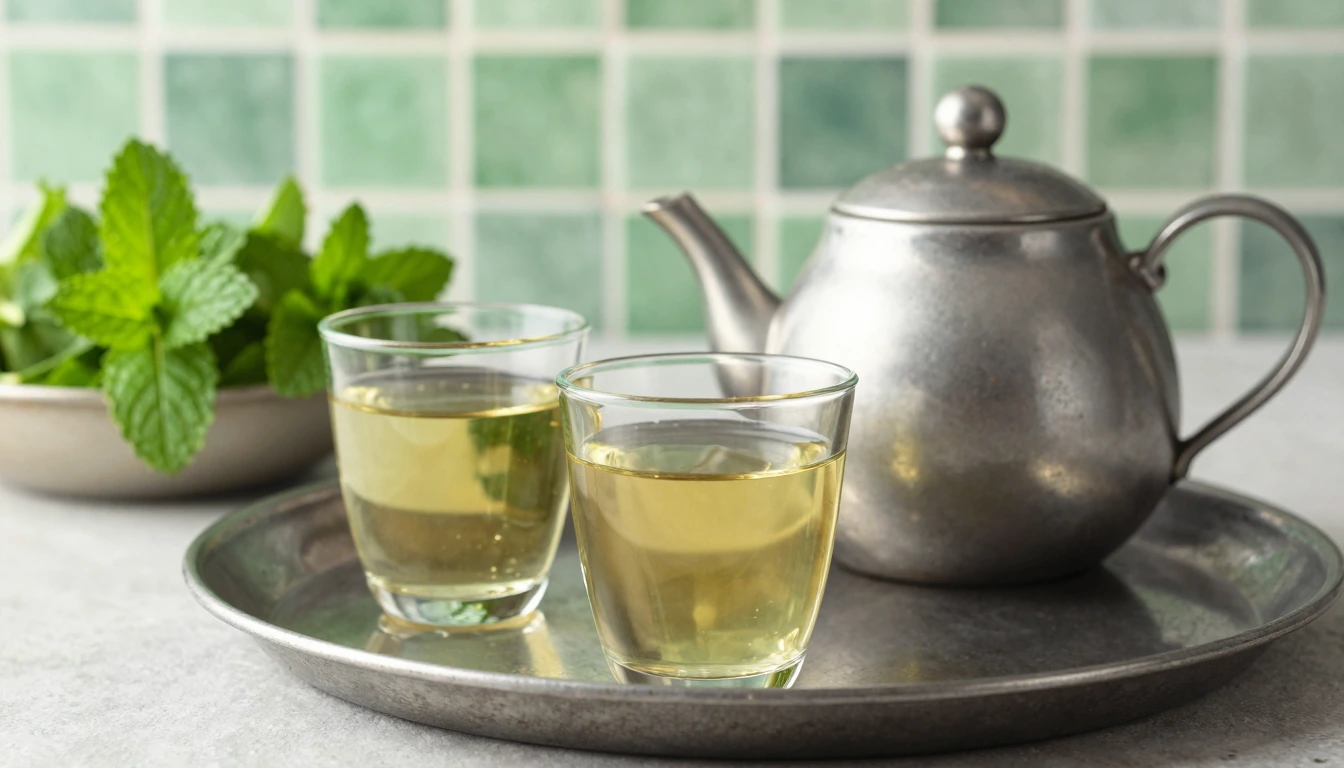
Small glasses make a modest first serving sensible. Place them on a stable tray, keep hands away from the stream and begin pouring close to the rim. The tourist office and Palais des Thés both describe a raised pour, but the spectacle is optional at a home table. Learn the spout with cool water over a sink before attempting greater height with hot tea. Keep guests out of the splash area.
If you are trying the pour-back mixing step described by the museum, use a clean heat-safe receiving cup and return it carefully to the pot. Do this before guests start drinking; their used glasses do not belong in the mixing sequence. A spoon is a straightforward alternative for dissolving sugar in our simplified version.
Offer the first glass, then ask whether the next should be sweeter, stronger or lighter. When several guests want different sweetness, serve the base tea and sugar separately. That changes the table service from the sweetened-pot method, but it makes the choice explicit rather than hiding it.
Fix one variable in the next pot
| What you notice | A useful next experiment |
|---|---|
| Tea dominates the mint | Reduce leaf by 1 g while holding water and time steady |
| Mint aroma seems weak | Use a fresher bunch or a slightly larger portion |
| The pot becomes too strong while you talk | Strain the finished tea into a second vessel |
| Sweetness masks everything else | Begin with less sugar and offer more at the table |
| Two batches taste unexpectedly different | Check whether one packet was a tea-and-mint blend |
These are cooking experiments, not guaranteed fixes for every leaf. Keep a short note of tea, dose, water, time and sugar. Our green-tea bitterness guide and tea tasting method provide a more systematic way to compare your next two pots.
Serve something small and leave time
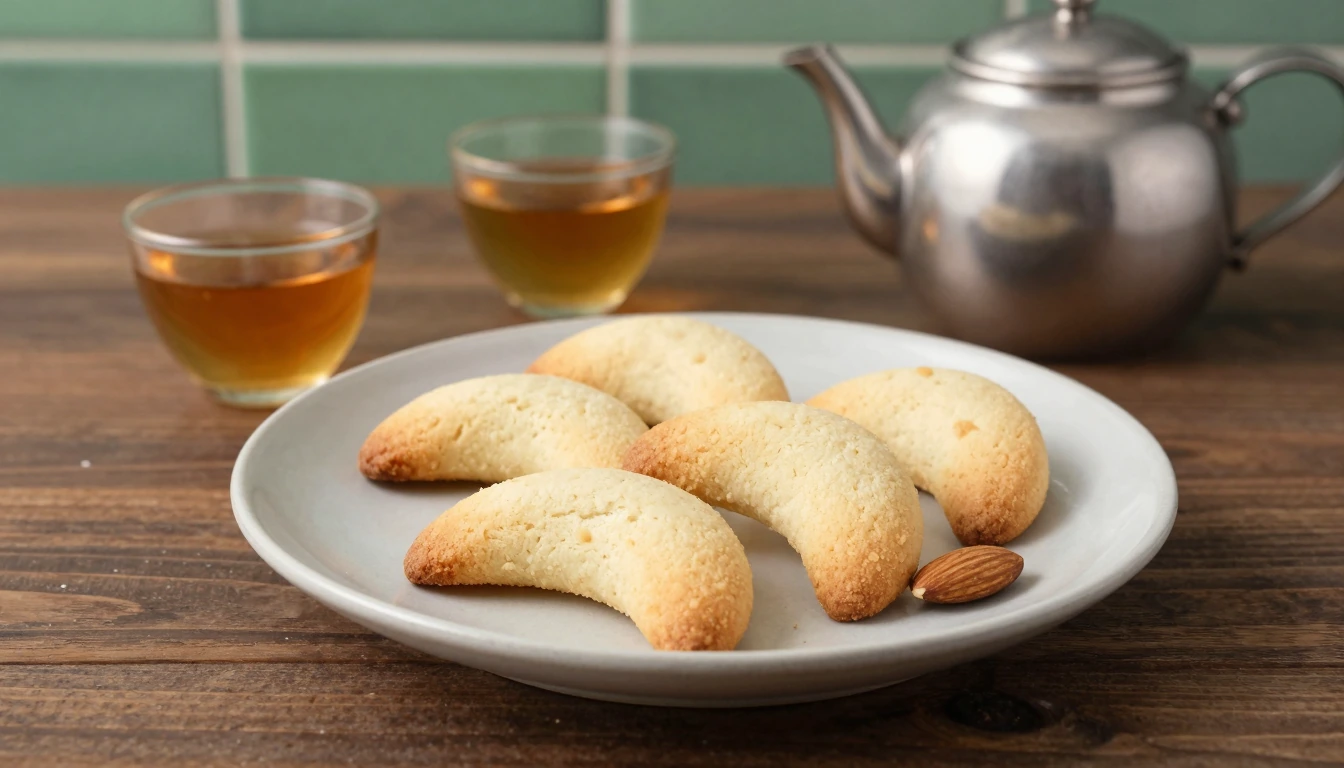
The tourist office names gazelle-horn almond pastries as an accompaniment to mint tea. You can serve a modest plate of pastries you enjoy without attempting a whole menu. Leave enough table space for the pot, the tray and a place to put used leaves. Ask guests about ingredients before choosing the food.
For another gathering, compare two versions rather than adding more ingredients at once: one packet-led infusion and one carefully followed simmered recipe. Keep the same tea, mint bunch and glass size, and note the difference. The useful outcome is a pot you can make again and share comfortably. The setting can be plain; attention to the people at the table is the part the elaborate tray cannot supply.